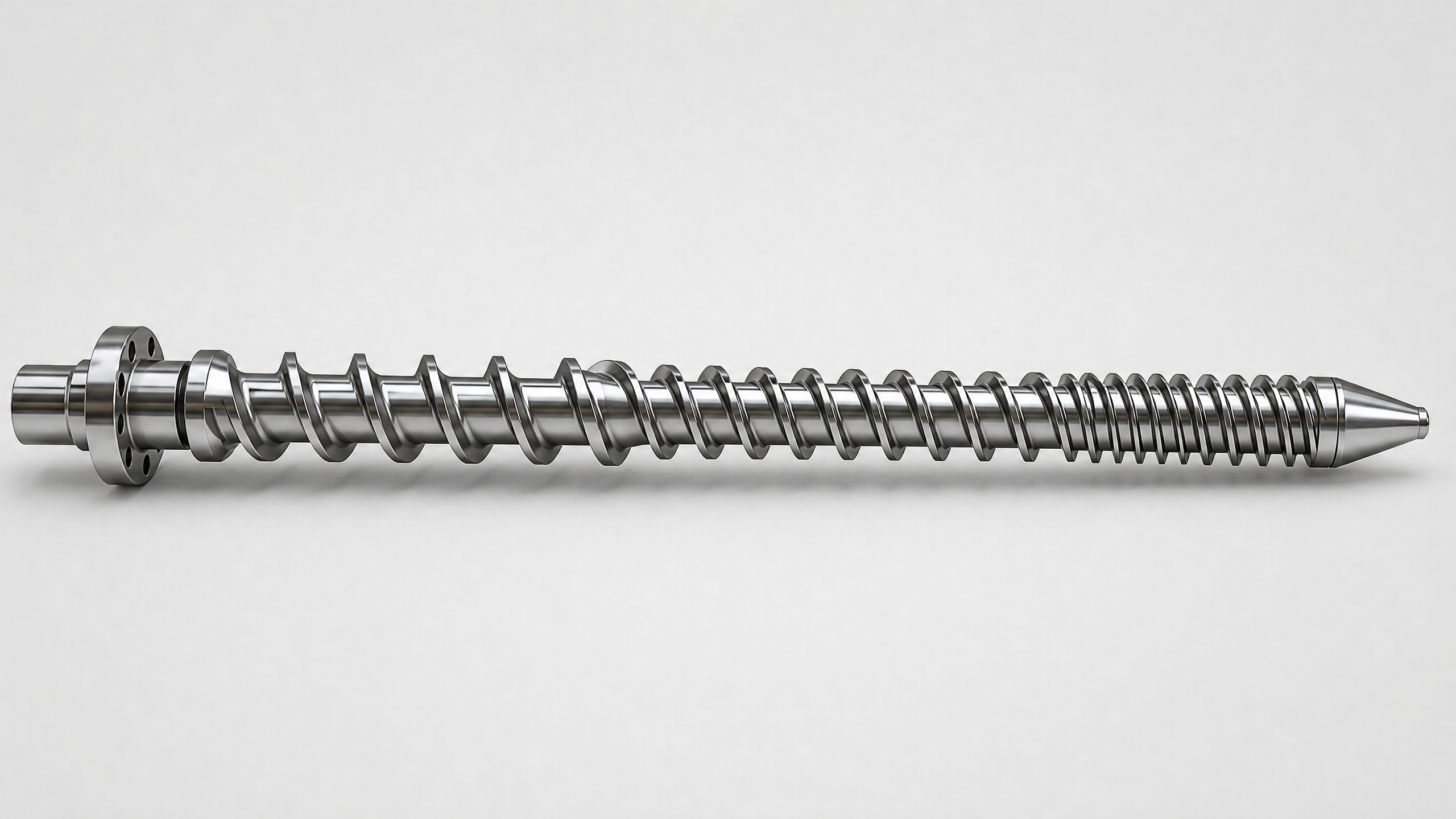
Extruder screws are indispensable components in plastic processing, serving as the core mechanism for melting, mixing, and conveying polymeric materials. Their design profoundly influences product quality, production efficiency, and energy consumption. This article provides a comprehensive overview of various extruder screw types, detailing their structural characteristics, operational principles, advantages, disadvantages, and typical applications. Understanding these distinctions is crucial for selecting the optimal screw for specific material processing needs.
What is an Extruder Screw?
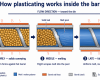
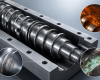
An extruder screw is a helical device housed within a heated barrel, responsible for transporting, compressing, melting, and homogenizing plastic raw materials. It converts solid plastic pellets into a uniform melt, which is then forced through a die to form a continuous profile, sheet, or film. The intricate design of the screw flights and channels dictates the shear, mixing, and heat transfer experienced by the polymer.
Why are there different types of Extruder Screws?
The vast diversity in polymer properties (e.g., viscosity, thermal sensitivity, melt strength), product requirements (e.g., clarity, strength, surface finish), and processing goals (e.g., compounding, devolatilization, reactive extrusion) necessitates a wide array of screw designs. Each screw type is engineered to optimize specific aspects of the extrusion process, balancing factors like plasticization efficiency, mixing capability, shear heat generation, and material degradation prevention.
Key Extruder Screw Types and Their Characteristics
Extruder screws are broadly classified based on their number, geometric profiles, and specialized functions.
Single Screw Extruders
Single screw extruders are the most common type, known for their simplicity in structure and lower manufacturing cost. They are widely employed for basic material conveying and preliminary plasticization of general-purpose plastics. Their operation and maintenance are straightforward, and they typically exhibit relatively lower energy consumption. However, their mixing capabilities are generally weaker compared to multi-screw systems, often resulting in a broader material residence time distribution. They offer less precise control over shear heat and are thus less suitable for materials requiring intensive mixing or those that are highly heat-sensitive.
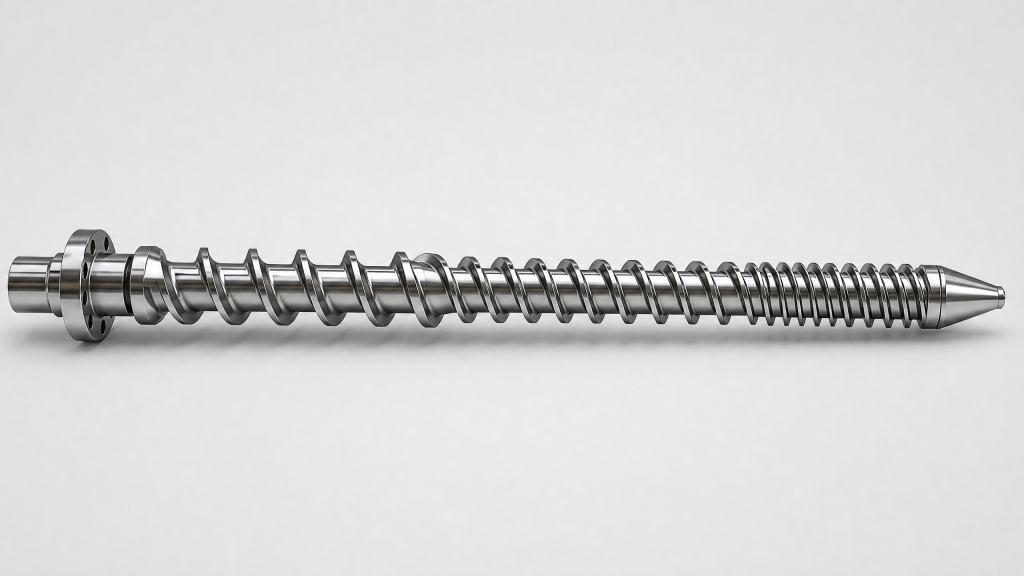
Sub-types of Single Screws by Geometrical Profile:
•Gradual Compression Screws: These screws feature a longer compression section where the channel depth gradually decreases, providing gentle shear. They are ideal for heat-sensitive plastics such as PVC, PC, and PMMA, as they minimize degradation. However, their plasticization efficiency is relatively lower, and they are less effective for materials with narrow melting ranges or low viscosity.
•Abrupt Compression Screws: Characterized by a very short compression section where the channel depth changes rapidly, these screws generate intense shear forces. They are well-suited for plastics with narrow melting ranges, low viscosity, and good thermal stability, such as PA, PE, and PP. The primary drawback is the high shear heat generated, which can lead to degradation of heat-sensitive materials and uneven material heating.
•Universal Screws: Designed to offer a balance, these screws aim to accommodate a wider range of materials, providing adaptability for general processing needs.
Twin Screw Extruders
Twin screw extruders are highly regarded for their superior mixing and plasticizing capabilities, making them essential for advanced polymer processing. They are primarily divided into intermeshing and non-intermeshing types, with intermeshing designs being more prevalent.
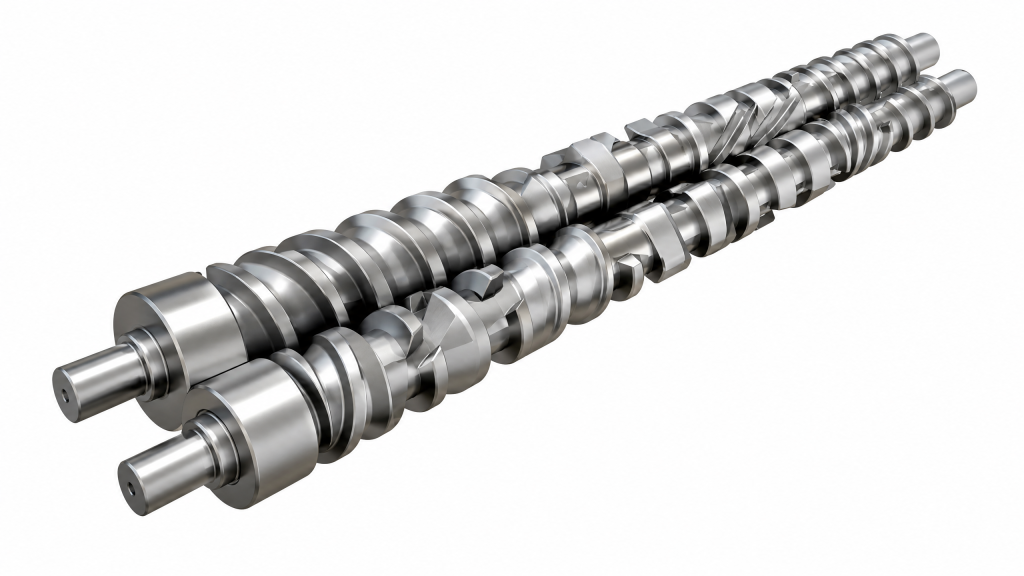
Intermeshing Twin Screw Configurations:
•Co-rotating Twin Screws: These screws rotate in the same direction and boast excellent self-wiping properties and superior mixing effects (both distributive and dispersive). This makes them ideal for compounding, filling, reinforcing, and reactive extrusion of various polymers. They offer a narrow material residence time distribution and precise control over shear heat. The main drawbacks include their complex structure, higher manufacturing and maintenance costs, and the need for more skilled operators.
•Counter-rotating Twin Screws: These screws rotate in opposite directions, known for their powerful positive conveying and high pressure-building capabilities. They are often used for direct extrusion of powder materials and for processing shear-sensitive materials like PVC profiles. While they offer strong plasticization due to intense shear, their mixing efficiency is generally not as good as co-rotating types, and the high shear can generate more heat, making them less suitable for highly heat-sensitive materials. They also tend to experience significant screw wear.
Specialized Screw Designs
To address specific processing challenges and enhance extrusion performance, several specialized screw designs have been developed.
•Barrier Screws: These screws incorporate a barrier section with a very narrow clearance in the middle of the screw. This design’s primary function is to forcibly shear and mix the material while acting as a “filter” to ensure that only fully melted and homogeneous material passes into the metering section, thereby significantly improving melt uniformity. While effective in improving melt quality and reducing gels, their complex structure can lead to higher manufacturing costs and potential for localized overheating.
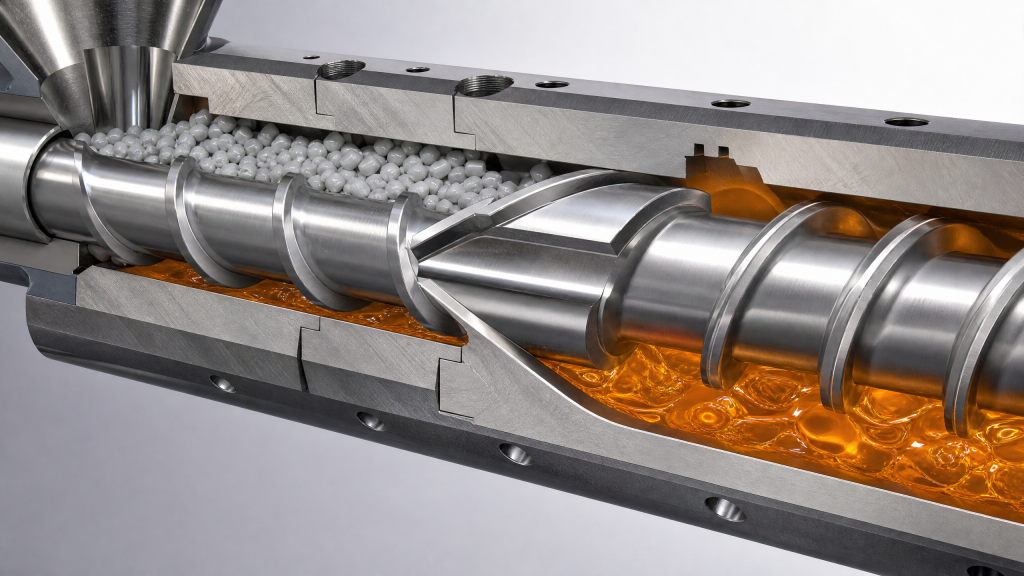
•Vented Screws: Vented screws feature a decompression and venting port in the middle section of the screw. Their main purpose is to remove moisture and volatile components from the material, which is crucial for hygroscopic materials or those containing volatile substances where product quality is paramount. The complexity of the design and the need for a vacuum system can increase equipment cost and potentially reduce throughput.
•Pin Screws: Characterized by cylindrical pins strategically placed perpendicular to the screw channel in specific areas, these pins effectively disrupt the laminar flow of the material, increasing shear and mixing cycles. This significantly enhances distributive mixing. They are particularly useful in applications requiring highly uniform mixing, such as with rubber or highly viscous materials. However, the added pins can increase shear heat and may require a more robust screw design to maintain structural integrity.
•Wave Screws: Wave screws feature a periodically varying channel depth along the axial direction. This design induces periodic shear and elongational forces, further enhancing the mixing effect and improving melt homogeneity. They are particularly beneficial in situations where improved melt uniformity is desired.
Ultra-High Performance Screws
For the most demanding applications, ultra-high performance screw systems offer unparalleled mixing and processing capabilities.
•Planetary Screws: Planetary screw extruders represent a highly sophisticated class of extrusion equipment. Their core structure comprises a central sun screw surrounded by 6-12 smaller planetary screws that both rotate on their own axes and revolve around the central screw. This unique motion generates an extremely high meshing frequency. The significant advantages of planetary screws include their exceptionally high surface area-to-volume ratio, where material is processed in extremely thin films, leading to highly efficient heat exchange. Furthermore, they achieve low-shear, high-intensity mixing through extensive spreading rather than aggressive shearing, which is particularly crucial for highly heat-sensitive materials like heavily filled PVC. Their fully intermeshing structure also ensures excellent self-wiping properties, effectively preventing material stagnation and degradation. However, their structure is extremely complex, leading to very high manufacturing costs and difficult maintenance. Their output can also be limited compared to other types.
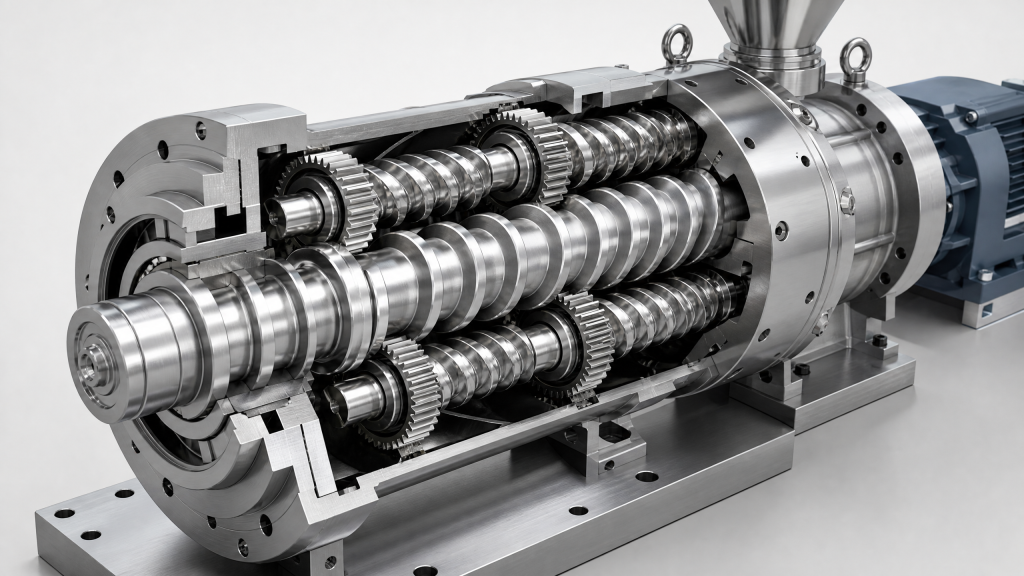
•Multi-flighted Screws: The term “number of flights” refers to the count of independent helical threads on a screw. Single-flighted screws have wider flights, offering strong conveying capacity but slower material exchange. Double-flighted screws are standard in co-rotating twin screw extruders, balancing conveying capacity with shear mixing. Triple-flighted screws feature shallower channels, generating more intense shear, suitable for applications requiring extremely fine dispersive mixing.
•Variable Pitch Screws: Variable pitch screws are characterized by a gradually decreasing pitch along their axial length. This design allows for material compression without altering the channel depth. They are commonly employed in the venting sections of extruders or in processes requiring precise control over material residence time to optimize reaction or plasticization.
Key Technical Parameters and Material Considerations
Beyond screw geometry, several technical parameters and material choices are critical for optimal extruder screw performance.
Length-to-Diameter Ratio (L/D)
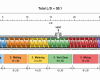
The L/D ratio represents the effective working length of the screw relative to its diameter, typically ranging from 20 to 40. A larger L/D ratio generally facilitates more thorough plasticization, uniform mixing, and effective gas removal, leading to improved product quality and higher production efficiency. However, an excessively long screw can increase energy consumption and residence time.
Compression Ratio (ε)
Defined as the ratio of the feed section channel volume to the metering section channel volume, the compression ratio typically ranges from 2 to 4. An appropriate compression ratio ensures adequate compaction and shear of the material during plasticization. However, an excessively high compression ratio can lead to excessive shear heat, potentially damaging heat-sensitive materials.
Material Selection
The choice of screw material is paramount for its wear resistance, corrosion resistance, and service life. Common base materials include:
•38CrMoAlA: A standard nitriding steel offering balanced overall performance, widely used for general-purpose screws.
•SKD61/D2: Tool steels with higher hardness and wear resistance, suitable for processing more abrasive materials.
•HIP (Hot Isostatic Pressing) powder alloys: Providing top-tier wear and corrosion resistance for extreme operating conditions, often used in high-performance applications.
Surface Treatment
Various surface treatment technologies are employed to further enhance screw performance and extend service life:
•Ion Nitriding: A widely used method yielding a surface hardness of approximately HV950-1050 with a hardened layer depth of about 0.5mm, improving wear resistance.
•Bimetallic Spray Welding: Involves spraying a nickel-based or tungsten-chromium alloy onto the screw flights, significantly extending wear life by 3-5 times, especially for highly filled or abrasive materials.
•Hard Chrome Plating: Primarily used to improve the screw’s corrosion resistance (e.g., when processing PVC) and surface finish.
Screw Selection Guide
Proper screw selection is paramount for successful extrusion. The following table provides a reference for common plastic types, recommended screw types, and key parameter suggestions:
| Plastic Type | Recommended Screw Type | Key Parameter Suggestions |
| Rigid PVC | Counter-rotating Twin Screw / Planetary Screw | Lower RPM, precise temperature control, moderate L/D |
| PE / PP | Abrupt Compression Single Screw / Co-rotating Twin Screw | High compression ratio (3.0-4.0), L/D 28-35 |
| PC / PMMA | Gradual Compression Single Screw (Heat-Sensitive) | Long compression section, moderate compression ratio (2.0-2.5), L/D 25-30 |
| PA (Nylon) | Abrupt Compression Single Screw | Very short compression section to prevent over-shearing, L/D 20-25 |
| Compounding/Pelletizing | Co-rotating Twin Screw (Modular Configuration) | Flexible adjustment of mixing element sequence, high L/D (36-48) |
| Recycled Material/Venting | Vented Screw | Large L/D (>30), specialized venting section design |
The selection of an extruder screw is a complex engineering challenge that necessitates a comprehensive consideration of material type, physical properties, product requirements, production efficiency, and cost. Single screw extruders remain dominant in general plastic processing, while twin screw extruders offer indispensable advantages in high-performance material compounding, high-fill applications, and heat-sensitive material processing. Specialized screws, such as barrier, vented, and planetary types, provide efficient solutions for specific challenges. As new materials and processes continue to evolve, screw designs will undoubtedly continue to innovate to meet ever-increasing production demands.
Frequently Asked Questions (FAQ )
Q1: What are the primary functions of an extruder screw?
A1: An extruder screw is responsible for transporting, compressing, melting, and homogenizing plastic raw materials. It converts solid pellets into a uniform melt, which is then extruded through a die to form a continuous product. Its design dictates the shear, mixing, and heat transfer within the polymer.
Q2: How do single screw extruders differ from twin screw extruders?
A2: Single screw extruders are simpler, lower in cost, and suitable for basic conveying and plasticization of general plastics. Twin screw extruders, especially co-rotating types, offer superior mixing, plasticizing, and self-wiping capabilities, making them ideal for compounding, filling, and processing heat-sensitive or high-performance materials. Twin screws are more complex and costly.
Q3: What is the significance of the Length-to-Diameter (L/D) ratio in screw design?
A3: The L/D ratio represents the effective working length of the screw relative to its diameter. A higher L/D ratio generally leads to more thorough plasticization, better mixing, and more effective removal of volatiles, resulting in improved product quality and higher efficiency. However, excessively high L/D can increase energy consumption and residence time.
Q4: When would one choose a barrier screw over a conventional screw?
A4: A barrier screw is chosen when there’s a need to significantly improve melt uniformity and reduce unmelted particles (gels). Its design separates solid and melt phases, ensuring only homogeneous melt proceeds to the metering section. This is particularly beneficial for materials where melt quality is critical or for processing heat-sensitive polymers.
Q5: What role do kneading blocks play in twin screw extruders?
A5: Kneading blocks are crucial mixing elements in twin screw extruders. They utilize unique stagger angles and rotation directions to achieve varying degrees of shear and mixing, essential for both distributive and dispersive mixing. They are vital for breaking down agglomerates, dispersing additives, and ensuring material homogeneity.
Q6: What are planetary screws primarily used for?
A6: Planetary screws are used for highly demanding applications, particularly with heat-sensitive materials like heavily filled PVC. They offer an exceptionally high surface area-to-volume ratio and achieve low-shear, high-intensity mixing through extensive spreading, leading to efficient heat exchange and gentle processing while ensuring excellent self-wiping properties.
Q7: How does surface treatment enhance screw performance?
A7: Surface treatments like ion nitriding, bimetallic spray welding, and hard chrome plating are applied to enhance the screw’s wear resistance, corrosion resistance, and service life. These treatments provide a harder, more durable surface, protecting the screw from abrasive materials and corrosive environments, thereby extending its operational lifespan.
References
[1] Zhoushan Hongfa Plastic Machinery Co., Ltd. Extruder Screw.
[4] Baidu Wiki. Is a planetary extruder a single screw?
[5] Plastiform. ACME Thread – Complete Guide.
[6] TIR Feedscrews and Barrels. Single-Screw Mixing 101.
[9] Zhoushan Hongfa Plastic Machinery Co., Ltd. Introduction to Bimetallic Screw Production Process.